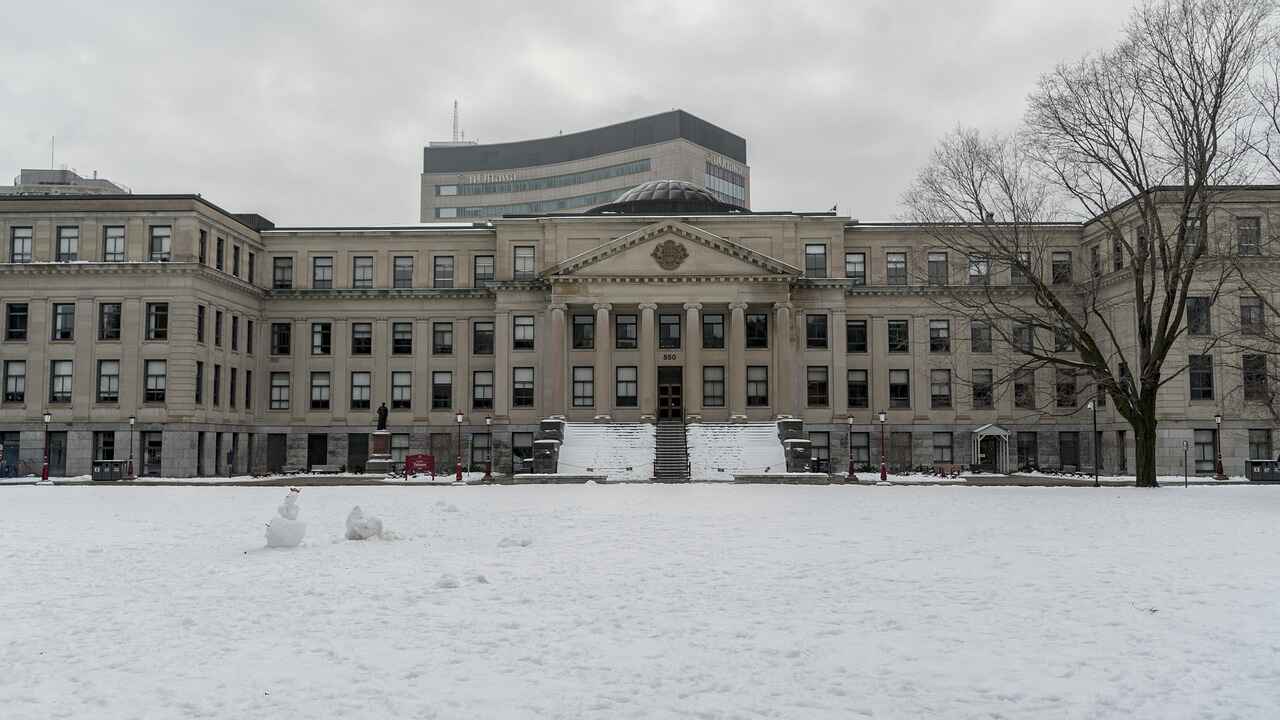

Canada has solidified its reputation as a global powerhouse for higher education. By blending academic rigor with a high quality of life, it attracts diverse talent from nations such as India, Nigeria, Brazil, and Vietnam. Unlike many of its peers, Canada offers a unique trifecta: world-class degrees, affordable living compared to the US or UK, and a transparent pathway to permanent residency.
Table of Contents
Why Choose to Study in Canada?
Beyond the classroom, Canada offers a stable socio-political environment and a legally protected commitment to multiculturalism. Key advantages include:
- Global Recognition: Degrees from Canadian institutions are held in high regard by international employers.
- Innovation Hubs: Heavy investment in AI, sustainable engineering, and biotech ensures students learn at the cutting edge.
- Work-Integrated Learning: Most programs offer “Co-op” terms, allowing students to gain paid, professional Canadian work experience before they graduate.
- Safety and Inclusion: Canada consistently ranks in the top 10 of the Global Peace Index.
Also Read: Cost of Study in Usa: A comprehensive guide
Top Universities and Rankings to study in Canada
Canada’s universities are research-intensive and globally competitive. Below are the leading institutions for based on academic reputation and student outcomes.
Table 1: Leading Canadian Universities (QS 2026 Projections)
| Global Rank | University Name | Location | Standout Programs | Core Strength |
|---|---|---|---|---|
| 27 | McGill University | Montreal, QC | Medicine, Law, Arts | Research prestige & bilingual culture |
| 29 | University of Toronto | Toronto, ON | AI, Finance, Engineering | Global networking & urban integration |
| 40 | University of British Columbia | Vancouver, BC | Forestry, Sustainability | Environmental science leader |
| ~94 | University of Alberta | Edmonton, AB | Energy, Business, AI | Strong industry ties & affordability |
| ~116 | McMaster University | Hamilton, ON | Health Sciences | Pioneer of problem-based learning |
| ~150 | University of Waterloo | Waterloo, ON | Tech, Data Science | World-renowned Co-op ecosystem |
Admission Pathways and Requirements
The Canadian admission process is merit-based. While requirements vary by province, the general standards remain consistent.
1. Academic Credentials
- Undergraduate: Completion of secondary school with a minimum average of 70%–85%.
- Master’s: A relevant Bachelor’s degree with a minimum “B” average (approx. 3.0 GPA).
- Doctorate: A Master’s degree and a proven research track record.
2. Language Competency
International students must prove proficiency in English or French (depending on the institution).
| Test | Typical Minimum Score |
| IELTS Academic | 6.5 (no band below 6.0) |
| TOEFL iBT | 88–100 |
| Duolingo (DET) | 115–125 |
| PTE Academic | 60–65 |
3. Essential Documentation
Applications typically require a Statement of Purpose (SOP), academic transcripts, letters of recommendation, and a resume for graduate applicants.
Financial Planning: Tuition and Living Expenses
Understanding the “Proof of Funds” requirement is vital. As of late 2024 and into 2026, the cost-of-living requirement for a single applicant (outside Quebec) is CAD 20,635, plus the first year of tuition.
Table 2: Estimated Annual Expenses
| Expense Category | Estimated Range (CAD) | Strategy to Save |
| Undergrad Tuition | $25,000 – $60,000 | Look for universities in Atlantic Canada |
| Grad Tuition | $20,000 – $35,000 | Research-based programs often pay a stipend |
| Housing | $9,000 – $18,000 | Share an apartment or live off-campus |
| Health Insurance | $700 – $1,200 | Often included in university fees |
| Food & Groceries | $4,500 – $7,000 | Meal-prepping and discount retailers |
| Public Transit | $1,200 – $1,800 | Use the “U-Pass” student discount |
The Study Permit and Visa Process
To study in Canada for more than six months, you must obtain a Study Permit.
- Letter of Acceptance (LOA): Must be from a Designated Learning Institution (DLI).
- Provincial Attestation Letter (PAL): Required for most undergraduate students under new federal caps.
- Financial Proof: Evidence of GIC (Guaranteed Investment Certificate) or bank statements.
- Biometrics and Medicals: Mandatory for applicants from most countries.
Note: Processing times fluctuate between 8 and 16 weeks depending on your home country. It is recommended to apply at least four months before your intake.
Related: Cost of study in germany
Life as a Student in Canada
Work Opportunities
- During Studies: Under recent 2024/2025 updates, students are generally permitted to work 24 hours per week off-campus during terms and full-time during scheduled breaks.
- On-Campus: No hourly limit applies to work performed on university grounds.
Support Systems
Canadian campuses offer robust mental health services, career counseling, and “International Student Centers” to help you navigate everything from tax filing to winter clothing.
Post-Graduation and Career Growth
The Post-Graduation Work Permit (PGWP) is Canada’s most attractive feature. It allows graduates to work for any employer for up to three years.
- PGWP Eligibility: Requires graduation from a recognized program (at least 8 months in length).
- Immigration Pathways: Work experience gained under a PGWP awards significant points toward Permanent Residency (PR) via the Express Entry or Provincial Nominee Programs (PNP).
- Salary Outlook: Entry-level professionals in sectors like Software Engineering, Nursing, or Project Management can expect starting salaries between CAD 60,000 and CAD 85,000.
Final Thoughts
To study in Canada is more than just a place to get the best degree; it is a launchpad for a global career. Success requires early planning—ideally starting 12 months before your intended start date—to secure scholarships and navigate the visa process.
FAQS
1. Can international students hold jobs during their studies in Canada?
Absolutely. Holders of valid study permits can take on employment alongside full-time enrollment. Off-campus work is capped at 24 hours per week during active terms, but you can go full-time (no cap) during official breaks like reading weeks, summer, or holidays. Maintain full-time status and your permit to keep these rights intact.
2. What’s the financial proof needed for a study permit?
Outside Quebec, show at least CAD 23,500 plus your first-year tuition to cover essentials like rent, groceries, and transport—ensuring self-sufficiency beyond part-time earnings. Quebec requires CAD 25,400, aligned with its higher regional costs. Include family support if applicable.
3. Do I need a Provincial Attestation Letter (PAL) for my study permit?
Usually, yes—for undergrad, diploma, or certificate applicants, secure a PAL from your province of study pre-application. Exemptions apply from Jan 1, 2026: Master’s and PhD students skip it, as do minors, exchanges, or short-term visitors: Double-check IRCC or provincial sites for your scenario.
4. How much time can I remain in Canada post-graduation?
Eligible grads apply for a Post-Graduation Work Permit (PGWP), valid 8 months to 3 years, matching your program’s length. Master’s completers (8+ months) often snag the full 3 years regardless. It’s a key bridge to Canadian work experience and pathways like Express Entry for permanent residency.
5. Which programs qualify for a PGWP?
Not all eligibility hinges on your Designated Learning Institution (DLI) and program type. Bachelor’s, master’s, and doctorate degrees typically qualify without field restrictions. Diplomas/certificates? They must align with in-demand sectors like healthcare, STEM, trades, or agriculture. Confirm via IRCC tools.