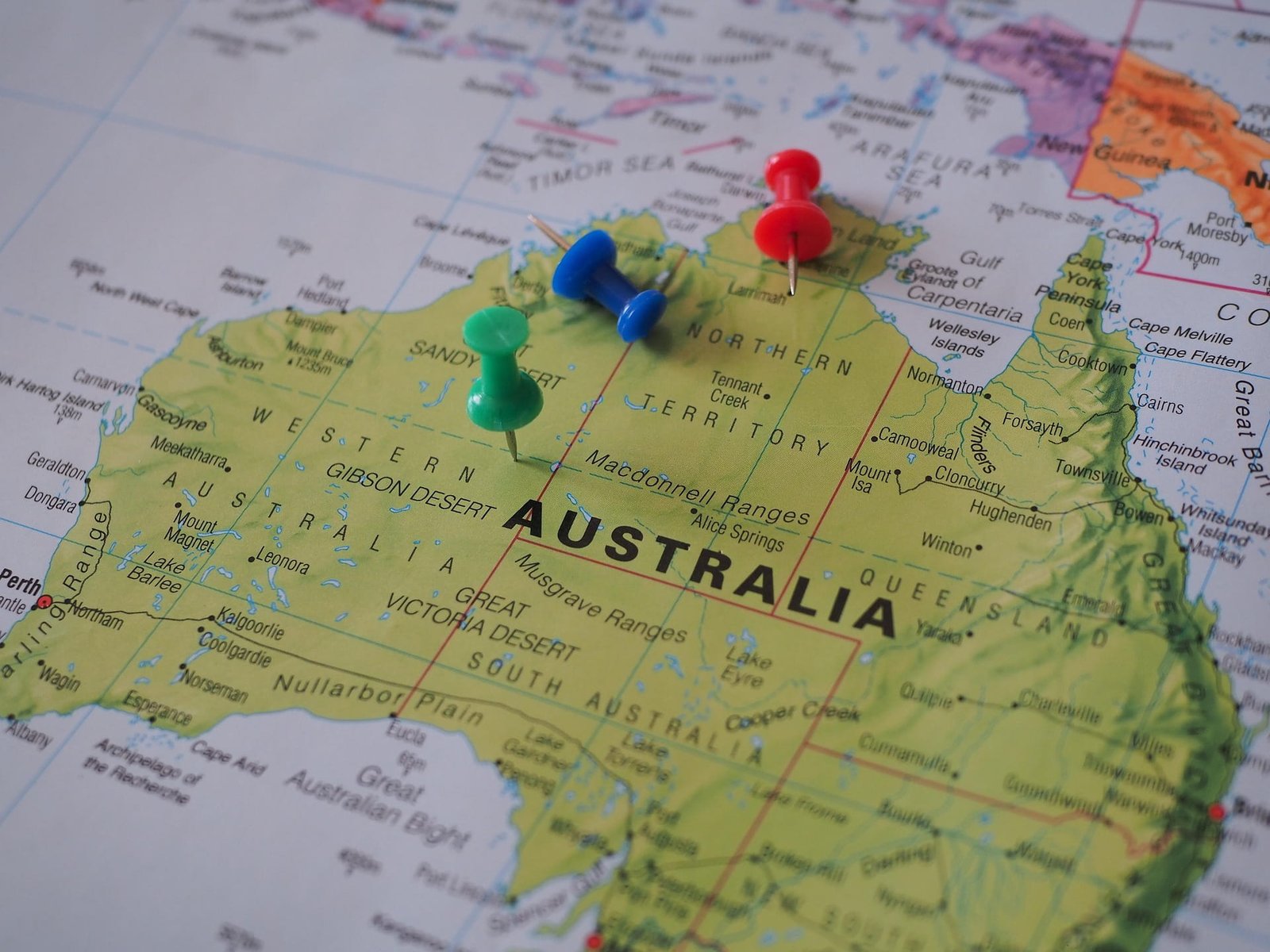

Despite evolving global economic conditions and shifting immigration landscapes, Australia remains a premier destination, attracting hundreds of thousands of eager international students each year. The nation’s universities consistently secure top positions in worldwide ranking lists, the standard of living is exceptionally high, and post-graduation career prospects remain robust. However, embarking on an educational journey to the Southern Hemisphere requires meticulous financial preparation.
Knowing the actual cost to study in Australia, encompassing tuition fees, accommodation, daily living expenses, visa requirements, and mandatory insurance, is the absolute foundation of a successful study abroad experience. Comprehensive budgeting ensures you can focus entirely on your academic and personal growth without the stress of unexpected financial emergencies.
This guide provides an exhaustive breakdown of the financial realities facing international students in Australia. From pre-arrival fees to monthly lifestyle expenses, city-by-city price comparisons, and actionable money-saving strategies, here is everything you need to know to navigate your finances down under.
Table of Contents
Why Australia? Balancing the Academic Dream and Your Budget
From the breathtaking expanses of the Great Barrier Reef to the bustling, cosmopolitan campuses of Sydney and Melbourne, Australia offers an unbeatable combination of world-class education and an enviable lifestyle. However, access to this premium environment comes with a significant price tag. International students typically spend between AUD $45,000 and AUD $85,000 per year when combining tuition fees with comprehensive living costs.
The exact financial commitment depends on several variable factors:
- Your Chosen Field of Study: Science, engineering, and medical degrees cost substantially more than arts or humanities programs.
- Geographical Location: Capital cities command a premium, while regional hubs offer relief.
- Personal Lifestyle Habits: Entertainment choices, dining preferences, and housing configurations heavily influence the bottom line.
Early strategic planning is essential. Prospective students should start by researching their chosen university’s exact fee structures, using official government cost-of-living calculators, and actively exploring early funding options. Thousands of students successfully balance their budgets each year by combining scholarships, utilizing part-time work allowances, and making conscious, daily financial choices.
Pre-Arrival Costs to study in Australia: Essential Investments Before You Fly
Before you even set foot on an airplane, a series of mandatory and recommended financial obligations must be settled. Treating these as non-negotiable, upfront investments ensures a smooth visa process and a stress-free arrival.
The Australian Department of Home Affairs maintains strict financial requirements to ensure students can support themselves. Individual applicants must demonstrate proof of savings of at least AUD $29,710 for their first year of living expenses, excluding tuition costs. This can be verified via certified bank statements, official scholarship letters, or financial documentation from government-approved sponsors.
Breakdown of Upfront Fees
The following structural elements outline the primary pre-departure expenses you must account for in your initial capital allocation:
- Student Visa (Subclass 500): The base application fee starts at AUD $2,500 for primary applicants. Prices may adjust based on subsequent temporary application charges or biometric processing fees.
- English Language Proficiency Tests: Standardized exams such as the IELTS, TOEFL, or PTE Academic generally cost between AUD $300 and AUD $450. Factor in potential extra costs for study guides or exam retakes if necessary.
- University Application Fees: While some education agents can secure waivers, most top-tier institutions charge administrative fees ranging from AUD $50 to AUD $150 per application. It is standard practice to apply to 4–6 institutions to maximize chances of admission.
- Overseas Student Health Cover (OSHC): Maintaining continuous health insurance is a mandatory visa condition. A basic, single-cover policy for a 12-month duration starts at approximately AUD $478, while multi-year policies or family cover packages can quickly add up to several thousand dollars.
- Initial Setup and Relocation Capital: One-way or return international flights typically range from AUD $800 to AUD $2,000+, depending on your origin and booking timeline. Additionally, you will need immediate cash reserves for temporary accommodation deposits, airport transfers, local mobile SIM cards, temporary bedding, and essential kitchen supplies, totaling roughly AUD $2,000 to AUD $4,000.
Tuition Fees at Australian Universities
Tuition remains the single largest financial component of your international education. Higher education fees in Australia are generally calculated per credit point or unit, so your exact semester costs can vary slightly depending on the subjects you select.
Elite research institutions, particularly those belonging to the prestigious Group of Eight (Go8), command the highest tuition rates. However, many excellent mid-tier, innovative, and regional universities deliver exceptional academic programs at much more accessible price points.
Here is the broad overview of what international students can expect to pay annually across different qualification frameworks:
Annual Tuition Cost Projections by Qualification Level
| Qualification / Study Level | Average Annual Tuition Range (AUD) | Key Financial Considerations |
| Vocational Education & Training (VET) / Diplomas | $4,000 – $22,000 | Highly practical, skills-based; often used as affordable pathways into bachelor courses at university. |
| Bachelor’s Degrees | $20,000 – $45,000 | Arts, humanities, and business sit at the lower end; engineering, computer science, and health sciences sit at the higher end. |
| Master’s Programs (Coursework & Research) | $22,000 – $50,000+ | Specialized professional tracks such as MBAs, clinical medicine, and advanced data science regularly exceed the upper boundary. |
| PhD / Doctoral Research Degrees | $18,000 – $42,000 | Highly dependent on laboratory access. Institutional stipends or fellowships largely offset the cost of most research degrees. |
Note: Always consult specific university course pages for real-time fee schedules. Annual tuition increases typically hover between 3% and 7% to account for domestic inflation.
Monthly Living Expenses: What Daily Life Really Costs
Once you land and complete your initial orientation, your ongoing, day-to-day expenditures become the core driver of your monthly budget. Developing an accurate baseline for standard consumption items helps reduce reliance on credit and ensures lifestyle stability.
A prudent, comfortable monthly budget for an international student falls between AUD $1,600 and AUD $2,600. Students who choose to live completely alone in city centers or indulge frequently in premium entertainment should prepare for monthly outlays exceeding AUD $3,000.
Categorized Monthly Student Budget
| Budget Category | Estimated Monthly Cost (AUD) | Strategic Tips for Cost Management |
| Accommodation | $600 – $2,000+ | Shared suburban housing represents the lowest cost bracket; inner-city studio apartments occupy the premium tier. |
| Food & Groceries | $400 – $800 | Prioritizing home cooking limits costs to $400–$600; frequent dining out, café culture, and delivery apps drive it to $800+. |
| Public Transport | $90 – $220 | Monthly transport passes vary by city. State-sponsored international student concession cards offer significant discounts. |
| Utilities (Electricity, Gas, Water, Internet) | $150 – $250 | These bills vary widely depending on seasonal heating/cooling needs; always divide these costs equally among flatmates. |
| Mobile Phone & Tech Connectivity | $30 – $60 | Sim-only prepaid plans offer the best value; look for promotions offering bonus data banks. |
| Textbooks & Academic Supplies | $40 – $80 | Avoid buying brand-new textbooks; rely heavily on digital library reserves, campus printing allocations, and student forums. |
| Entertainment & Social Activities | $200 – $500 | Includes fitness memberships, concerts, and cinema. Australia features an array of free outdoor alternatives. |
| Total Estimated Monthly Expenditure | $1,600 – $2,600 | Adjusts downward in regional areas and upward in metropolitan central business districts. |
City-by-City Cost Comparison: Where Should You Study?
Geography plays an enormous role in determining your ultimate cost of living in Australia. The rental market, in particular, varies wildly between states and territories. Choosing where to study requires balancing your institutional preferences against the localized cost of living.
Sydney, New South Wales
- Estimated Monthly Living Cost: AUD $2,500 – $4,000+
- The Reality: Sydney is consistently ranked as Australia’s most expensive city, driven primarily by an ultra-competitive rental market. However, it compensates by offering the largest concentration of multinational corporations, thriving part-time employment sectors, and unparalleled professional networking ecosystems.
Melbourne, Victoria
- Estimated Monthly Living Cost: AUD $2,100 – $3,500
- The Reality: While marginally more forgiving than Sydney regarding real estate, Melbourne remains a premium-cost destination. Renowned as the cultural, sporting, and coffee capital of Australia, it boasts world-renowned academic institutions and a deeply integrated public transport network (including a free tram zone in the city center).
Brisbane, Queensland
- Estimated Monthly Living Cost: AUD $1,900 – $3,000
- The Reality: Offering a relaxed, subtropical lifestyle, Brisbane provides excellent value for money. The cost of living is noticeably more moderate than its southern counterparts, and the city features a rapidly expanding international student population alongside proximity to world-famous coastal regions.
Adelaide, South Australia
- Estimated Monthly Living Cost: AUD $1,600 – $2,800
- The Reality: Adelaide is structurally designed to be incredibly budget-friendly for international scholars. Lower median rental prices, highly accessible urban layouts, and generous localized public transit discounts make it a highly attractive destination for students prioritizing financial efficiency.
Canberra, Australian Capital Territory
- Estimated Monthly Living Cost: AUD $2,000 – $3,500
- The Reality: As the nation’s political hub, Canberra features a highly educated populace and elite academic institutions. While housing costs can rival Melbourne, the city offers a safe, focused environment with exceptional research resources and unique government-adjacent employment pipelines.
Regional Hubs (e.g., Wollongong, Geelong, Hobart, Armidale)
- Estimated Monthly Living Cost: 20% to 30% lower than major metropolitan capitals.
- The Reality: Choosing a regional university significantly eases financial pressure. Furthermore, the Australian government incentivizes regional studies by offering extended post-study work rights (Subclass 485 visa extensions), giving you more time to earn back your educational investment after graduation.
Health Insurance and Other Mandatory Ongoing Costs
As noted previously, Overseas Student Health Cover (OSHC) must be maintained for the entire duration of your stay in Australia. It serves as a foundational financial shield, covering general practitioner visits, emergency hospital treatments, limited ambulance cover, and specific prescription medications.
When configuring your medical insurance plan, compare the market across government-approved providers such as Allianz Care, BUPA, Medibank, ahm, and NIB.
Beyond the baseline health premiums, make sure your budget accounts for these secondary, ongoing institutional fees:
- Student Services and Amenities Fee (SSAF): A statutory charge levied by universities to fund non-academic services, including student advocacy, legal advice, campus sports facilities, and cultural clubs. This usually amounts to approximately AUD $350 per year.
- Specialized Laboratory or Equipment Fees: If you are enrolled in fields like nursing, culinary arts, filmmaking, or heavy engineering, you may need to purchase specialized uniforms, protective footwear, safety glasses, or proprietary software licenses.
- Emergency Travel Buffer: Always maintain an untouched emergency fund (ideally AUD $1,500–$2,000) dedicated solely to sudden domestic or international travel needs, such as returning home for a family emergency or covering unexpected medical out-of-pocket costs.
Scholarships and Financial Support Options
You do not have to shoulder the financial burden of studying in Australia entirely on your own. Millions of dollars in financial aid are distributed annually to high-achieving or equity-seeking international scholars.
- Australia Awards Scholarships: Highly prestigious, fully funded scholarships managed by the Australian government. Aimed at students from developing nations, they cover 100% of tuition fees, return airfares, a dedicated establishment allowance, contributions to living expenses (stipends), and comprehensive OSHC.
- Destination Australia Program: A targeted government initiative designed to grow regional Australia. It awards successful domestic and international students up to AUD $15,000 per year to undertake high-quality education at regional campus facilities.
- University Institutional Merit Scholarships: The most common form of financial relief. Many universities automatically evaluate your academic transcripts during the admissions process and grant partial tuition fee waivers ranging from 20% to 50%. Exceptional applicants may qualify for full 100% tuition coverage.
- Faculty-Specific Fellowships: Specialized academic departments (most notably STEM, business, and advanced AI research tracks) frequently manage dedicated corporate-sponsored or research-funded grants tailored to specific nationalities or research focuses.
Proven Money-Saving Strategies for International Students
Adopting deliberate, disciplined lifestyle habits can slash your ongoing expenses by 20% to 30% without compromising your overall quality of life. Implementing these proven frameworks keeps your finances well in the green.
Accommodation Hacks
Instead of choosing high-cost, single-occupancy city apartments right away, look into cooperative living arrangements. Shared student housing platforms like Flatmates.com.au or official university housing portals allow you to split rent and utility bills.
Alternatively, opting for a managed homestay during your first semester provides a soft landing with predictable, all-inclusive costs (covering utilities and meals) while you learn the local geography. Finally, look for housing options in secondary suburbs situated along train or major bus lines; the massive drops in weekly rent easily offset the minor increase in commute time.
Smart Food & Grocery Habits
Avoid the trap of constant food delivery services, which can quickly drain a student’s budget. Instead, prioritize home cooking and buy your pantry staples in bulk from major discount supermarket chains like Aldi, Coles, and Woolworths.
Visiting fresh produce hubs, such as the Queen Victoria Market in Melbourne or Sydney’s Paddy’s Markets, late on Sunday afternoons often yields steep discounts on fruits and vegetables. Additionally, keep an eye on your student union events calendar, as campus clubs frequently host free breakfasts, low-cost barbecues, and cultural food nights.
Strategic Transport Choices
Australia’s major cities feature highly efficient public transport infrastructure. Walk or ride a bicycle whenever possible—it keeps you fit and saves you money.
When you do use public transit, make sure to apply for your state’s digital transit card (like an Opal card in NSW or a Myki card in Victoria) and verify your eligibility for international student concessions, which can cut standard fares right in half. If you need a bicycle, avoid buying brand-new models; check local online marketplaces like Facebook Marketplace or Gumtree for reliable, pre-owned gear.
Earning While Learning: The Part-Time Work Advantage
The Australian student visa framework is exceptionally supportive of working students. International students are legally permitted to work up to 48 hours per fortnight during active teaching semesters, with unlimited hours permitted during official university holiday breaks.
Popular student employment sectors include hospitality, retail sales, administrative support, delivery services, and private tutoring. With national minimum wages in Australia being among the highest globally, a student working their permitted part-time hours can realistically generate between AUD $800 and AUD $1,500 per month. While this income is a fantastic way to cover your groceries, utilities, and weekend entertainment, it should always be treated as a supplement rather than your primary source of funding for tuition.
Summary Framework: A Realistic Annual Budget
To tie all these moving parts together, let’s look at a realistic baseline projection of your total financial commitment for a standard academic year in Australia:
$$\text {Total Annual Investment} = \text{Tuition Fees } (\text{AUD } \$25,000 – \$45,000) + \text{Living Expenses } (\text{AUD } \$20,000 – \$35,000) + \text{Mandatory Admin/OSHC } (\text{AUD } \$2,000 – \$5,000)$$
$$\text{Aggregated Expected Range} = \text{AUD } \mathbf{\$47,000 – \$85,000} \text{ per annum}$$
By tracking your income and expenses with free personal finance apps like Fudget or PocketGuard, or with basic spreadsheet trackers, you can easily keep your spending near the lower end of these estimates.
Frequently Asked Questions (FAQs)
How much money do I actually need to show the Australian government for my visa?
You must demonstrate clear access to at least AUD $29,710 to cover your first year’s living costs. This amount is separate from your university tuition fees and travel allowances.
Can I fully fund my tuition fees and living expenses solely through part-time work?
Realistically, no. While Australia’s hourly wages are excellent, the 48-hour-per-fortnight cap during semesters makes it highly unlikely you can cover both high tuition fees and full living costs. Your part-time income should be used to offset daily living expenses, while your core tuition should be secured before you arrive.
Are lifestyle costs significantly lower in regional Australia?
Yes. Regional areas like Geelong, Wollongong, Hobart, or Adelaide offer rental prices that are often 20% to 40% lower than inner-city Sydney or Melbourne. This choice also opens up pathways for extended post-study work opportunities.
What should I do if unexpected inflation causes my expenses to surge?
Always build a 10% cash buffer into your financial planning. If you find yourself facing financial hardship, reach out to your university’s international student support team right away; they can provide access to emergency grants, interest-free loans, or food bank programs.
Final Thoughts: Is an Australian Education Worth the Investment?
Without a doubt—provided you approach the experience with a well-researched financial plan. The exceptional caliber of Australia’s academic institutions, the vibrant multicultural community, the high quality of life, and the clear post-study career pipelines combine to deliver a powerful, long-term return on your investment.
The secret to a rewarding experience comes down to proactive financial awareness. Take the time to research thoroughly, build a conservative budget, apply for scholarships early, and stay flexible with your lifestyle choices. By executing a sound financial strategy, you can minimize money worries and fully immerse yourself in the learning, discovery, and unforgettable adventures Australia has to offer.
References
- Study Australia Official Site
- Department of Home Affairs – Student Visa
- IDP Education – Cost Guides
- Study Australia Cost of Living Calculator